What new clinical research tells us about the direction of adaptive radiotherapy
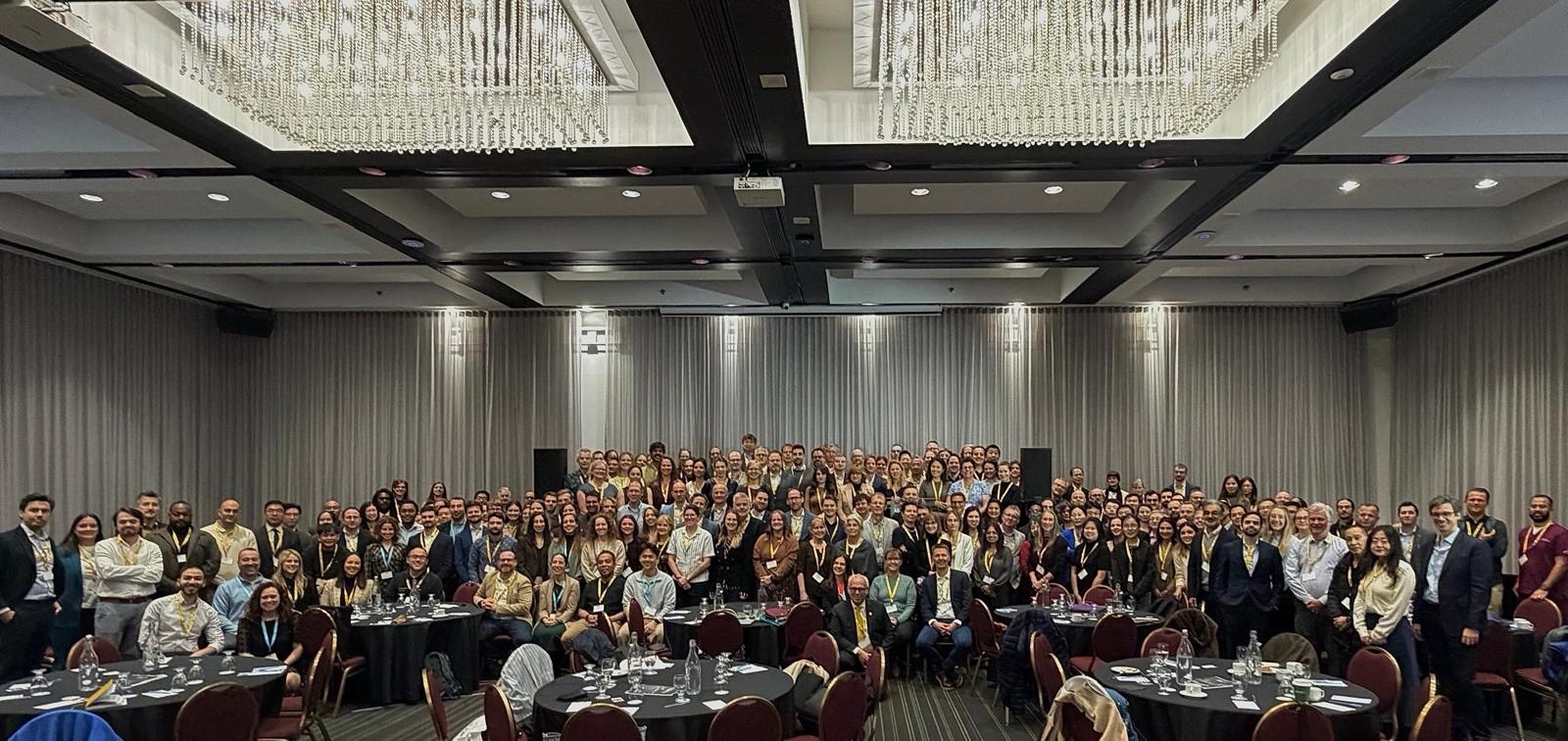
Research presented at the 2026 MR-Linac Consortium Meeting covered a wide range of developments in MR-guided radiotherapy. Among the research presented, three studies using Elekta Unity explored whether treatment volumes can be reduced to limit radiation exposure to healthy tissue, whether treatment can involve fewer visits and how treatment plans can be adapted in more complex cases.
MR-guided adaptive radiotherapy allows clinical teams to visualize a patient’s anatomy at the time of treatment and adjust the treatment plan when needed. The three studies highlighted here focus on glioblastoma, prostate cancer and pancreatic cancer.
Smaller treatment volumes in glioblastoma
Researchers from Sunnybrook Odette Cancer Centre in Toronto presented results from the phase 2 UNITED trial, which explored whether MR-guided adaptation could reduce the volume of tissue included in the treatment plan for patients with glioblastoma. A smaller treatment volume can limit the amount of healthy brain tissue exposed to radiation.
In the trial, the area included in the treatment plan was on average 40% smaller than with the standard approach to defining treatment volumes. Among patients receiving long-course treatment, overall survival was similar to that observed in Sunnybrook’s previous prospective study using standard treatment margins.
A shorter treatment course for prostate cancer
Two-year outcomes from the randomized phase 2 HERMES trial were presented by researchers from The Royal Marsden Hospital in London. The trial explored whether MR-guided adaptive radiotherapy for prostate cancer could be delivered in two treatment sessions rather than five. At two years, the study reported no grade 3 urinary or gastrointestinal side effects, while gastrointestinal side effects remained very low in both treatment groups. The findings add longer-term data on the shorter treatment approach.
Expanding MR-guided adaptation in pancreatic cancer
Memorial Sloan Kettering Cancer Center presented six years of experience with MR-guided radiotherapy for pancreatic cancer. Between 2020 and 2026, 260 patients were treated using multicontrast MRI and daily adaptive planning. Over time, the program expanded to include increasingly complex cases, including tumors directly abutting gastrointestinal organs at risk.
Motion management using CMM was highly reliable, with a favorable treatment duty cycle of 95% and average beam-on times of 15 ± 3 minutes. Treatment-related toxicity remained low, with grade 3 adverse events occurring in fewer than 2% of patients and no grade 4 or grade 5 toxicities observed.
Despite the complexity of daily adaptive workflows, treatment efficiency was maintained, with the interval from the initial MR scan to the post-treatment scan consistently remaining under 90 minutes.
Different questions, a broader direction
These are three examples from a wider range of research presented at the MR-Linac Consortium Meeting. They span different types of cancer, treatment approaches and stages of clinical evidence, and their results cannot be directly compared. Taken together, they illustrate how MR-guided adaptive radiotherapy is being explored across settings, from reducing treatment volumes and shortening treatment courses to adapting treatment in more complex cases.
For further information, please contact:
Kathy Pajari, Head of Corporate Communications
Tel: +46 76 255 6056, e-mail: [email protected]
Time zone: CET (Central European Time)