First patient in Japan treated with Elekta Evo marks a step toward more personalized radiotherapy
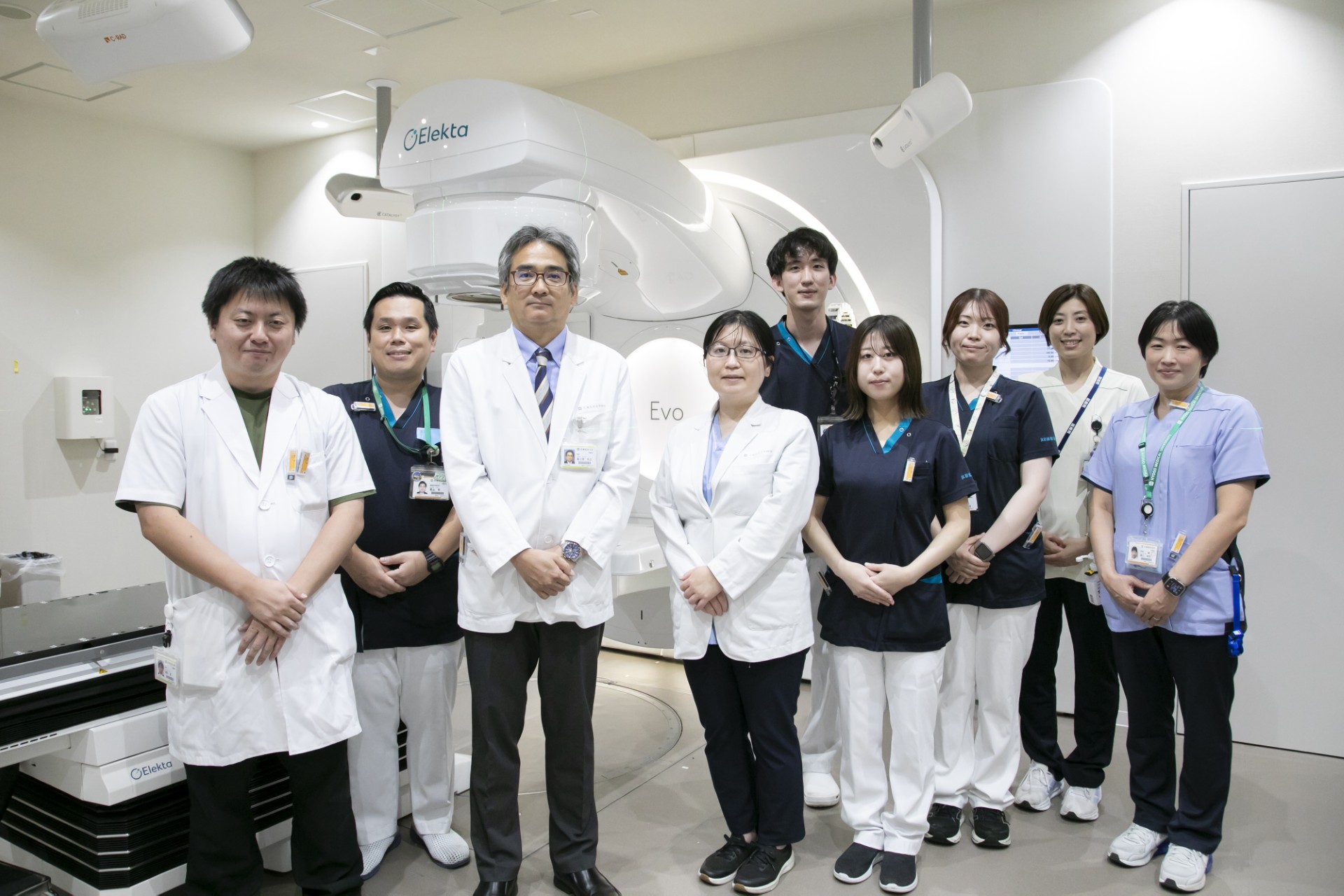
The first patient in Japan has been treated with Elekta Evo at Hyogo Medical University Hospital, marking the system’s first clinical use in the country.
As cancer care becomes increasingly personalized, radiation oncology teams are looking for technologies that can help them adapt treatment to each patient’s changing needs while maintaining efficient workflows.
Elekta Evo at Hyogo Medical University Hospital
Elekta Evo supports a range of treatment techniques, including IMRT, VMAT, stereotactic radiotherapy and electron therapy. The system also incorporates Iris, Elekta’s high-definition imaging technology, designed to support clearer visualization of tumors and surrounding anatomy during the treatment process.
By combining detailed imaging with workflows that can support adaptation, the technology is intended to help clinical teams respond to anatomical changes during the treatment course.
Masayuki Fujiwara, Clinical Professor, Department of Radiology at Hyogo Medical University Hospital, said: “We are delighted to have begun treating patients with Japan’s first Elekta Evo system. We will make full use of the system’s current capabilities, including AI-based image processing, image registration and dose recalculation, as we strive to provide the best possible treatment for our patients.”
At Hyogo Medical University Hospital, the system will support high-precision radiotherapy and personalized treatment approaches.
A step toward more adaptive cancer care in Japan
"Cancer incidence continues to rise globally and radiotherapy is being asked to deliver greater precision, efficiency and patient-centered value than ever before," said Koki Arioka, Head of Japan, Region APJ, Elekta K.K. "The introduction of Elekta Evo is one step in supporting more personalized radiotherapy approaches in Japan."
The treatment reflects a broader trend in radiation oncology toward more individualized care. As treatment complexity increases, healthcare providers are seeking technologies that support precision, clinical confidence and efficient workflows.